

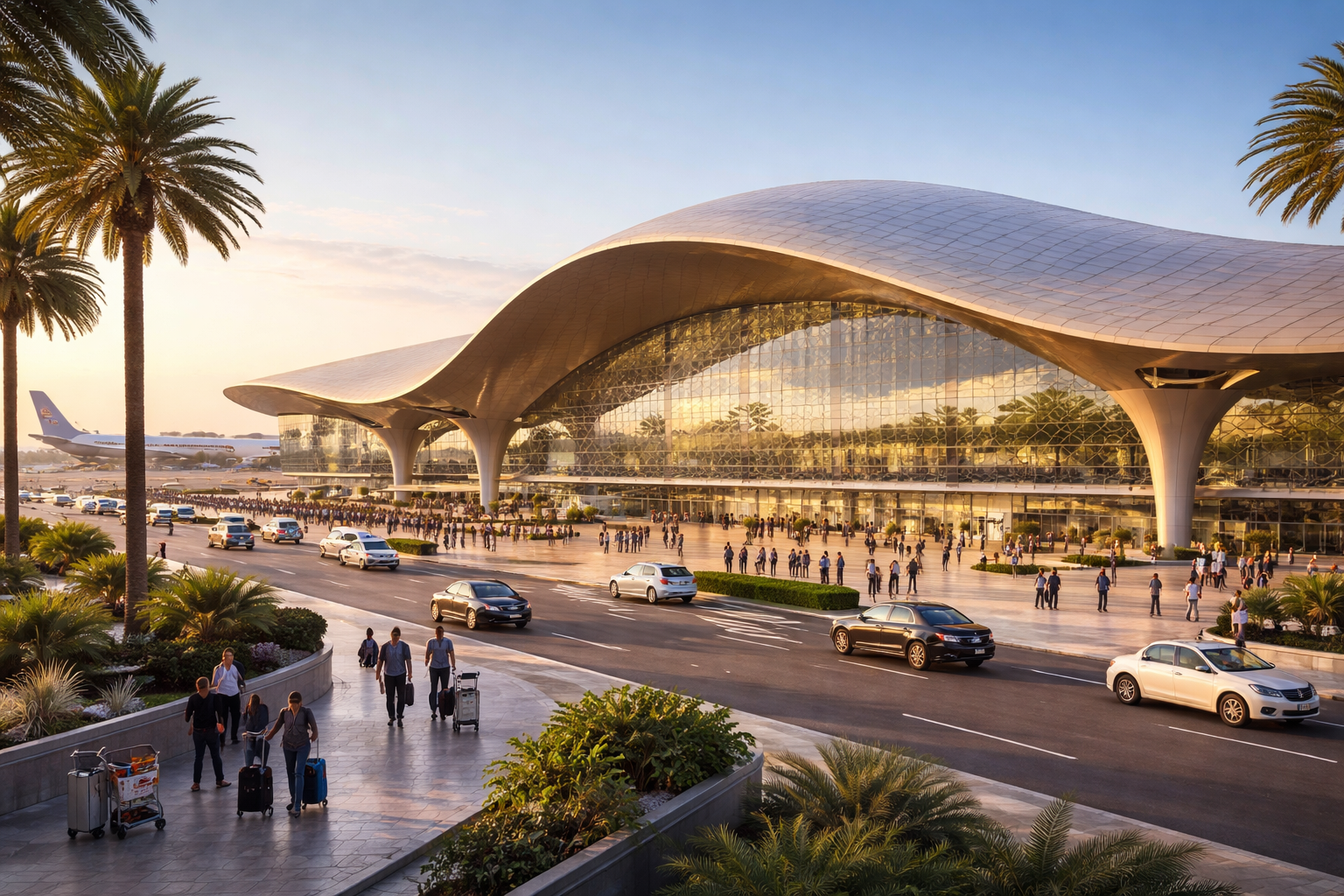
Introduction to Zayed International Airport
Zayed International Airport is more than just an airport; it is a statement of ambition, innovation, and cultural pride. Located in Abu Dhabi, the capital of the United Arab Emirates, this airport represents the country’s vision of becoming a global hub for travel, business, and tourism. Named after Sheikh Zayed bin Sultan Al Nahyan, the founding father of the UAE, the airport reflects values of progress, hospitality, and long-term planning.
What sets Zayed International Airport apart is how seamlessly it blends advanced technology with thoughtful design. From the moment travelers arrive, the airport feels spacious, calm, and carefully planned. Unlike older airports that grew over time, this facility was designed with future expansion and passenger comfort in mind from day one.
As international travel continues to rebound and evolve, Zayed International Airport positions Abu Dhabi as a serious competitor to the world’s busiest and most prestigious aviation hubs. It is not just built to handle large volumes of passengers, but to redefine what people expect from a modern airport experience.
Architectural Design and Visual Identity
The architectural design of Zayed International Airport is one of its most striking features. The terminal structure uses sweeping curves, high ceilings, and natural lighting to create an open and welcoming environment. The design takes inspiration from desert landscapes, incorporating soft tones and flowing forms that echo sand dunes while maintaining a distinctly modern feel.
Natural light plays a key role throughout the terminal. Large glass panels and skylights reduce the need for artificial lighting and create a sense of openness that helps reduce travel stress. The result is an airport that feels less like a crowded transit space and more like a thoughtfully designed public landmark.
Beyond aesthetics, the architecture is functional. Clear signage, logical passenger flow, and wide walkways make navigation simple even during peak travel hours. This balance between beauty and practicality is one of the reasons Zayed International Airport has been widely praised by travelers and industry experts alike.
Passenger Experience and Comfort
Passenger comfort is clearly a top priority at Zayed International Airport. From check-in to boarding, the process is designed to be smooth, efficient, and intuitive. Automated check-in kiosks, smart security systems, and biometric technology help reduce waiting times and improve overall flow.
Seating areas are plentiful and well-distributed, offering travelers a chance to relax without feeling crowded. Quiet zones, family areas, and premium lounges cater to different types of passengers, ensuring everyone can find a space that suits their needs. The airport also offers excellent accessibility features, making it welcoming for elderly travelers and people with disabilities.
Food and retail options are another highlight. Travelers can choose from international brands, local Emirati cuisine, and high-quality cafés that rival those found in major city centers. This attention to detail turns layovers into enjoyable experiences rather than something to endure.
Role as a Global Aviation Hub
Zayed International Airport plays a crucial role in connecting East and West. Its strategic location allows airlines to operate efficient long-haul routes between Europe, Asia, Africa, and the Americas. This makes Abu Dhabi an ideal stopover point for international travelers and a powerful logistics hub.
Etihad Airways, the national airline of the UAE, uses Zayed International Airport as its primary base. This close relationship strengthens the airport’s global reach, with direct flights to major cities across multiple continents. The airport’s infrastructure is designed to support high-capacity aircraft while maintaining quick turnaround times.
As global travel patterns shift, Zayed International Airport continues to adapt. Its ability to handle both passenger traffic and cargo operations efficiently gives it a competitive edge, ensuring its relevance in an increasingly complex aviation landscape.
Technology, Innovation, and Sustainability
Innovation is deeply embedded in the operations of Zayed International Airport. Smart systems manage everything from baggage handling to energy usage, allowing the airport to operate efficiently while minimizing environmental impact. Advanced data analytics help predict passenger flow and adjust resources in real time.
Sustainability is another core focus. The airport incorporates energy-efficient systems, water conservation measures, and environmentally responsible materials. These features reduce the airport’s carbon footprint while setting a benchmark for future airport developments worldwide.
Technology also enhances security without compromising convenience. Automated border control, facial recognition systems, and modern screening processes maintain high safety standards while keeping queues short. This combination of innovation and sustainability reflects the UAE’s broader commitment to smart infrastructure development.
Cultural Representation and National Identity
Zayed International Airport is not just a transit point; it is a cultural gateway to the UAE. Art installations, design elements, and curated spaces showcase Emirati heritage in a subtle yet meaningful way. Travelers get a sense of the country’s history and values before even leaving the terminal.
The airport’s naming itself carries deep significance. Honoring Sheikh Zayed emphasizes leadership, unity, and vision, reminding visitors of the foundations upon which the nation was built. This sense of identity adds emotional depth to what could otherwise be a purely functional space.
By blending modern luxury with cultural storytelling, the airport creates a lasting impression. It tells a story of a nation that respects its past while confidently shaping its future, making every arrival and departure feel significant.
Economic Impact and Future Growth
Zayed International Airport is a major driver of economic growth in Abu Dhabi and the wider UAE. It supports tourism, trade, and employment while attracting international investment. The airport’s expansion has created thousands of jobs across aviation, retail, hospitality, and logistics sectors.
Looking ahead, the airport is designed to scale with demand. Future expansion plans focus on increasing capacity without sacrificing comfort or efficiency. This long-term approach ensures the airport remains competitive for decades to come.
As Abu Dhabi continues to diversify its economy beyond oil, Zayed International Airport will play a central role. Its ability to connect people, businesses, and cultures makes it a powerful asset in the nation’s ongoing development.
Conclusion: A Symbol of Modern Aviation
Zayed International Airport stands as a symbol of what modern aviation can achieve when vision, design, and technology come together. It is efficient without feeling rushed, luxurious without being overwhelming, and culturally rich without losing its global appeal.
For travelers, it offers a smooth and memorable journey. For airlines and businesses, it provides a world-class operational base. And for the UAE, it represents confidence, ambition, and a clear commitment to excellence.
As global travel continues to evolve, Zayed International Airport is not just keeping pace—it is helping define the future of international air travel.

