

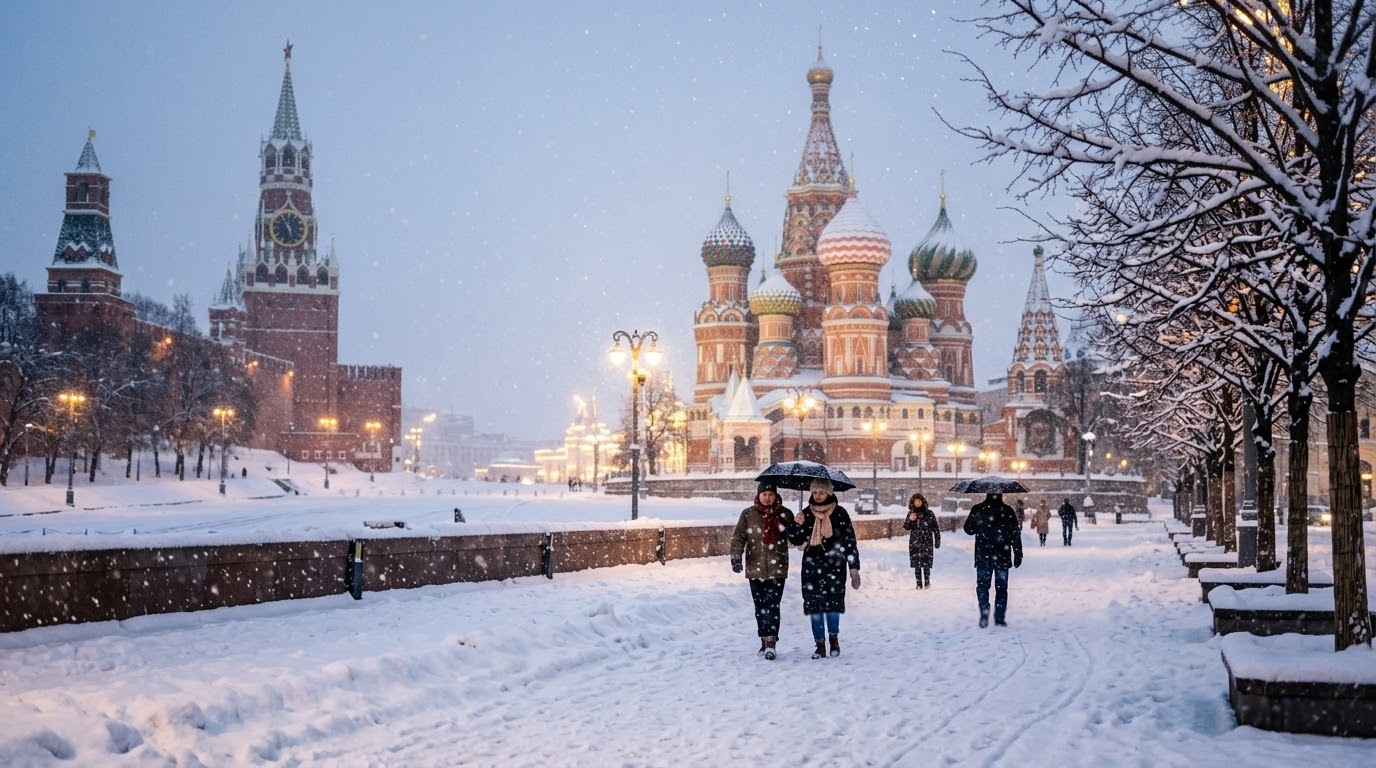
Moscow, the capital of Russia, is known for its rich history, iconic architecture, and bustling urban life. But anyone planning a visit or trying to understand this city’s environment must first grasp its weather patterns. Moscow weather is famously diverse, swinging from freezing winters to surprisingly warm summers. Understanding these seasonal shifts is essential not only for travelers but also for residents and businesses operating in the region.
Seasonal Overview of Moscow Weather
Moscow experiences a continental climate, which means distinct seasons with notable temperature variations. Winters are long, cold, and snowy, while summers are moderately warm and relatively short. Spring and autumn serve as transitional periods, marked by fluctuating temperatures and unpredictable weather events. This pattern has a significant impact on city life, from transportation to tourism.
Spring in Moscow is gradual. The snow melts slowly, giving way to budding trees and early blooms. Temperatures can range from just below freezing to mild warmth, often fluctuating within a single day. Travelers should prepare for variable conditions, as sudden rain showers and chilly winds are common.
Autumn presents a picturesque change, with golden leaves blanketing parks and streets. Temperatures gradually cool, signaling the approach of winter. Rainfall tends to increase slightly, and early frost can appear by late October. Observing Moscow weather during this season can help residents anticipate heating needs and tourists plan suitable clothing.
Winter Weather Patterns in Moscow
Moscow winters are iconic, defined by heavy snowfall and sub-zero temperatures. The coldest months, December through February, often see temperatures dropping below -10°C, with occasional dips reaching -20°C. Snow cover is consistent, making the city a winter wonderland but also creating logistical challenges for transportation.
Cold snaps in Moscow can be intense, requiring proper clothing and precautions for outdoor activity. Ice accumulation is common, leading to slippery sidewalks and roads. Authorities often deploy snowplows and salt treatments to maintain safety. Residents are accustomed to these conditions, but tourists often underestimate the harshness of Moscow weather in winter.
Summer Weather Conditions
Summers in Moscow are warm but not extreme. Average temperatures in July hover around 23°C, though heatwaves can push readings above 30°C. Rainfall during summer is moderate, often occurring as brief, intense thunderstorms that cool the city temporarily.
The city’s long daylight hours in summer offer an inviting atmosphere for sightseeing and outdoor activities. Residents and visitors alike enjoy parks, river walks, and open-air festivals. Understanding the nuances of Moscow weather in summer helps in planning daily schedules and outdoor excursions, minimizing disruption from sudden rain.
Rainfall and Precipitation Patterns
Moscow’s precipitation is fairly evenly distributed throughout the year, with slightly higher rainfall in late spring and early summer. Snow dominates the winter months, contributing significantly to total annual precipitation. Average annual rainfall hovers around 700 mm, while snow cover can reach over half a meter in winter.
Rainfall patterns affect everything from daily commuting to event planning. Urban infrastructure is designed to handle both snow and rain, but sudden storms can cause temporary disruptions. Tracking Moscow weather forecasts ensures preparedness for precipitation, whether it’s snow boots in December or an umbrella in May.
Temperature Trends Throughout the Year
Temperatures in Moscow exhibit extreme seasonal variation. January averages around -10°C, while July averages 23°C. The transitional months, April and October, can vary widely, making them less predictable. Such fluctuations require flexible planning for both residents and travelers.
Historical temperature trends indicate gradual warming over recent decades, reflecting broader climatic changes. Monitoring these trends can be useful for agriculture, city planning, and tourism. Awareness of temperature trends enhances preparedness for outdoor activities, clothing choices, and energy consumption.
Moscow Weather Impact on Tourism
Tourism in Moscow is heavily influenced by weather patterns. Winter attracts visitors for the snowy scenery, ice skating, and festive events. Summer draws tourists for open-air attractions, cultural festivals, and river cruises. Understanding Moscow weather helps visitors optimize their experiences.
Travelers planning trips should check forecasts regularly. Proper clothing, flexible itineraries, and awareness of seasonal activities ensure a pleasant visit. The city’s infrastructure supports tourists year-round, but being weather-aware enhances comfort and safety, enriching the overall Moscow experience.
Clothing and Preparation Tips
Dressing appropriately for Moscow weather is crucial. In winter, layering thermal clothing, insulated jackets, hats, and gloves is essential. Waterproof boots are necessary to navigate snow and slush safely.
During summer, lighter clothing is preferred, but a raincoat or umbrella is recommended for sudden showers. Spring and autumn require adaptable outfits to handle temperature swings. Preparedness ensures comfort and reduces the risk of weather-related inconveniences.
Historical Weather Events
Moscow has experienced several extreme weather events, including record-breaking cold snaps and heatwaves. The winter of 1942, for example, reached temperatures below -30°C, significantly impacting daily life and wartime operations.
Similarly, heatwaves in the 21st century have challenged urban infrastructure and public health. Studying historical Moscow weather events helps city planners, researchers, and residents prepare for rare but impactful occurrences.
Air Quality and Climate Considerations
Moscow’s climate and weather patterns influence air quality. Cold winters often trap pollutants, leading to temporary smog episodes. In contrast, summer breezes help disperse particulate matter, improving air conditions.
Understanding the interplay between Moscow weather and air quality is vital for residents with respiratory conditions and for policymakers aiming to improve environmental health. Monitoring forecasts and alerts helps minimize exposure during adverse conditions.
Comparison of Moscow Weather by Season
| Season | Average Temperature | Precipitation | Notable Features |
| Winter | -10°C to -5°C | Snowfall | Long nights, heavy snow, cold snaps |
| Spring | 0°C to 15°C | Moderate rain | Melting snow, budding vegetation |
| Summer | 18°C to 30°C | Short storms | Warm days, long daylight, festivals |
| Autumn | 5°C to 15°C | Rain and early frost | Golden leaves, cooling temperatures |
Expert Insight on Moscow Weather
“Understanding Moscow weather is not just about planning for comfort—it’s about aligning activities with the natural rhythms of the city,” says Elena Petrova, a climatologist specializing in urban environments. This perspective emphasizes the value of integrating weather awareness into both daily life and strategic planning.
Conclusion
Moscow weather is a dynamic and influential aspect of life in Russia’s capital. Its seasonal variations, temperature extremes, and precipitation patterns shape the city’s culture, tourism, and daily routines. By understanding these patterns, residents and visitors can navigate Moscow more effectively, enjoy its attractions safely, and appreciate the unique climate that defines this iconic city.
FAQ
What is the best time to visit Moscow based on weather?
The best time depends on your preference. For warm temperatures and outdoor activities, summer offers the most pleasant Moscow weather.
How cold does Moscow get in winter?
Moscow weather in winter is typically below -10°C, with occasional dips to -20°C, making insulated clothing essential.
Does it snow a lot in Moscow?
Yes, Moscow weather brings consistent snowfall during winter, often covering the city in a thick layer for several months.
How unpredictable is Moscow weather in spring and autumn?
Spring and autumn are transitional seasons with fluctuating Moscow weather, ranging from mild warmth to sudden cold snaps and rain.
Are Moscow summers comfortable for tourists?
Moscow weather in summer is generally warm and comfortable, with average temperatures around 23°C, although brief thunderstorms can occur.
You May Also Read Undergrowthgameline Online Event

