

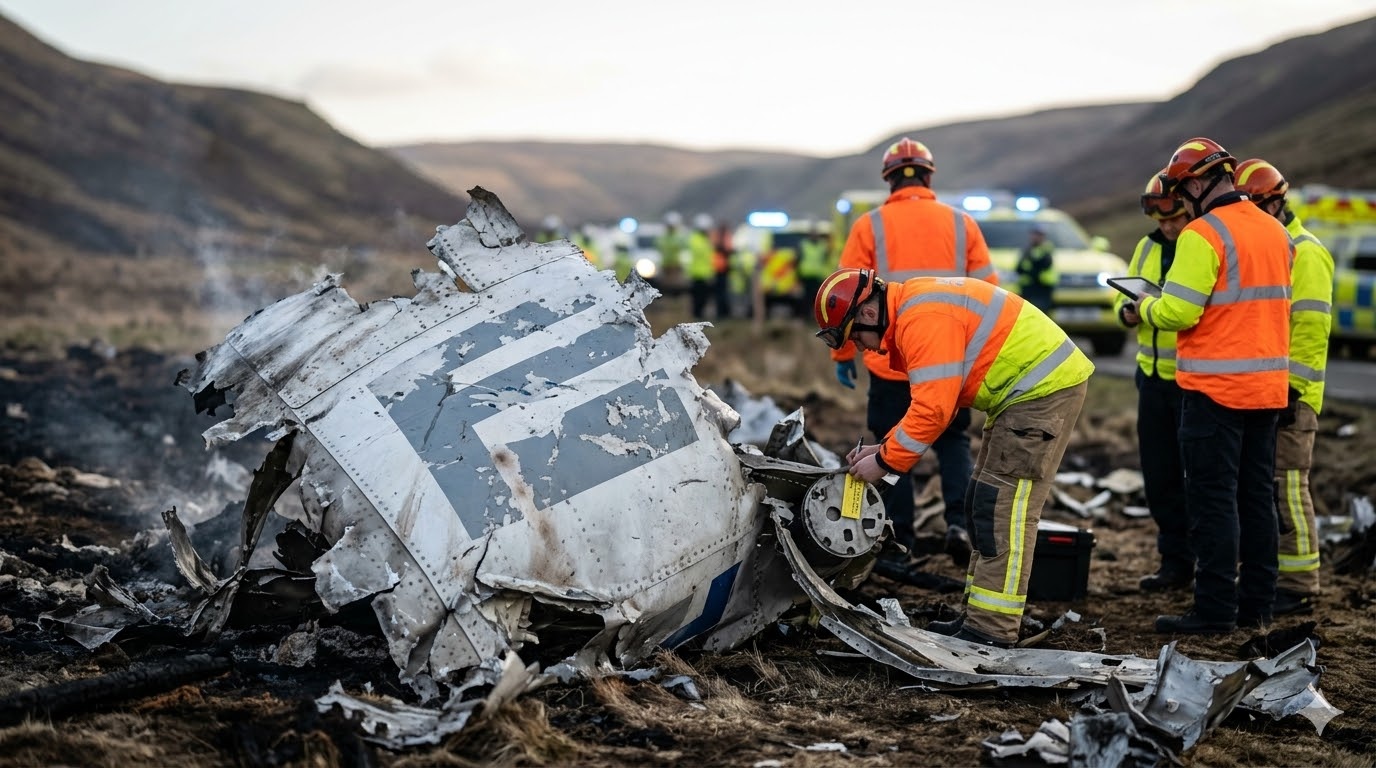
A plane crash is one of the most feared events in modern transportation, yet it is also one of the most misunderstood. Despite dramatic headlines and viral footage, aviation remains one of the safest modes of travel ever created. This article explores the reality behind a plane crash—what causes it, how often it happens, how safety systems work, and what passengers and professionals can learn from aviation incidents.
By breaking down complex systems into clear, practical insights, this guide aims to provide both depth and clarity. Whether you’re a curious traveler, an aviation enthusiast, or someone researching safety, this comprehensive resource will help you understand the full picture.
Understanding What a Plane Crash Really Means
A plane crash refers to any aviation accident where an aircraft sustains significant damage or is destroyed, often involving fatalities or serious injuries. However, not all aviation incidents qualify as catastrophic crashes; many are controlled emergency landings or minor accidents that never make headlines.
The term is often used broadly in media, but in aviation, events are categorized more precisely. These include runway excursions, mid-air collisions, controlled flight into terrain, and mechanical failures. Each type has different causes, risk factors, and prevention strategies, making aviation safety a highly specialized and data-driven field.
How Rare Plane Crashes Actually Are
Statistically, a plane crash is extremely rare compared to other forms of transportation. Millions of flights operate safely every year, with only a tiny fraction resulting in serious incidents. Modern commercial aviation has reached a level of safety that would have been unimaginable just a few decades ago.
This rarity is due to layered safety systems, rigorous training, and constant monitoring. Airlines, regulators, and manufacturers work together globally to analyze every incident, no matter how small, to prevent future occurrences. The result is a system where safety continuously improves over time.
The Most Common Causes of a Plane Crash
Human factors remain one of the leading contributors to a plane crash, often involving miscommunication, decision-making errors, or fatigue. However, modern aviation has significantly reduced these risks through crew resource management and automation.
Mechanical failure, weather conditions, and environmental hazards also play critical roles. Severe turbulence, icing, bird strikes, and system malfunctions can all contribute, but rarely act alone. Most accidents result from a chain of events rather than a single cause, which is why investigations focus heavily on identifying contributing factors.
Human Error and Pilot Decision-Making
Even highly trained pilots can make mistakes under pressure, particularly in complex or rapidly changing situations. A plane crash may occur when situational awareness breaks down or when critical decisions are delayed or incorrect.
To counter this, the aviation industry emphasizes teamwork, communication, and standard operating procedures. Pilots are trained to challenge each other constructively and rely on checklists, reducing the likelihood of individual error leading to catastrophic outcomes.
Mechanical Failure and Aircraft Design
Aircraft are engineered with redundancy, meaning multiple systems can perform the same function if one fails. Despite this, mechanical issues can still contribute to a plane crash, especially if combined with other factors like weather or human error.
Regular maintenance, inspections, and real-time monitoring systems are designed to detect problems before they become critical. Modern aircraft can often continue flying safely even after multiple system failures, demonstrating the robustness of current engineering standards.
Weather and Environmental Hazards
Weather remains one of the most unpredictable elements in aviation. Thunderstorms, strong winds, and low visibility conditions can all increase the risk of a plane crash if not managed properly.
Advanced radar systems, satellite data, and predictive modeling help pilots and air traffic controllers avoid dangerous conditions. In most cases, flights are delayed or rerouted rather than exposed to significant weather risks, further reducing the likelihood of accidents.
Air Traffic Control and Communication Failures
Air traffic control plays a crucial role in maintaining safe distances between aircraft and coordinating movements on the ground and in the air. A breakdown in communication or coordination can increase the risk of a plane crash, particularly in congested airspace.
Modern systems use both human oversight and automated alerts to prevent collisions and ensure safe operations. Even in high-traffic environments, strict protocols and redundancy help maintain safety.
The Role of Technology in Preventing Crashes
Technology has transformed aviation safety, significantly reducing the likelihood of a plane crash. Systems like terrain awareness warnings, collision avoidance technology, and automated flight controls provide multiple layers of protection.
These technologies act as safety nets, alerting pilots to potential dangers and, in some cases, taking corrective action automatically. As technology continues to evolve, the margin for error becomes smaller, making aviation even safer.
Black Boxes and Crash Investigations
Every plane crash is thoroughly investigated using data from flight recorders, commonly known as black boxes. These devices capture cockpit conversations and flight data, providing critical insights into what went wrong.
Investigations can take months or even years, but they are essential for improving safety. Findings often lead to changes in procedures, training, or aircraft design, ensuring that lessons are learned and applied globally.
Survivability Factors in a Plane Crash
Contrary to popular belief, many plane crash incidents are survivable. Factors such as the angle of impact, speed, location, and structural integrity of the aircraft all influence outcomes.
Passenger behavior also plays a role. Following safety instructions, wearing seatbelts, and understanding emergency procedures can significantly increase the chances of survival in certain scenarios.
Cabin Safety and Passenger Preparedness
Cabin crew are trained extensively to handle emergencies, from evacuations to fire control. Their role is critical in managing a plane crash situation and ensuring passengers exit the aircraft quickly and safely.
Passengers can improve their own safety by paying attention to briefings, locating exits, and following instructions during emergencies. Simple actions can make a significant difference in critical moments.
Famous Plane Crash Incidents and Lessons Learned
Throughout history, major aviation accidents have shaped modern safety standards. Each plane crash has contributed to improvements in training, technology, and regulation.
For example, incidents involving runway collisions led to standardized communication protocols, while crashes caused by controlled flight into terrain resulted in the development of terrain awareness systems. These lessons continue to influence aviation today.
Common Misconceptions About Plane Crashes
Many people believe that a plane crash is almost always fatal, but this is not true. Survival rates vary widely depending on the circumstances, and many incidents result in no fatalities at all.
Another misconception is that turbulence can cause a crash. While uncomfortable, turbulence alone is rarely dangerous to modern aircraft. Understanding these myths helps reduce unnecessary fear and promotes informed perspectives.
How Airlines Train for Emergency Situations
Airlines invest heavily in training to prepare crews for every possible scenario involving a plane crash. Simulators replicate real-world conditions, allowing pilots and cabin crew to practice responses to emergencies.
This training is continuous and evolves based on new data and insights. By preparing for rare but critical events, aviation professionals ensure they can respond effectively when needed.
The Evolution of Aviation Safety Standards
Aviation safety has improved dramatically over the past century. Early aircraft lacked many of the systems and protocols that are now standard, making a plane crash far more likely in the past.
Today, international organizations set strict regulations that airlines and manufacturers must follow. Continuous monitoring and auditing ensure compliance, creating a global safety network.
Data-Driven Safety Improvements
Modern aviation relies heavily on data analysis to prevent a plane crash. Airlines collect vast amounts of information from every flight, identifying patterns and potential risks.
This proactive approach allows issues to be addressed before they lead to accidents. By focusing on prevention rather than reaction, the industry continues to enhance safety.
Comparing Aviation Safety with Other Transport Modes
| Transportation Mode | Accident Rate | Fatality Risk | Safety Improvements |
| Air Travel | Extremely low | Very low | Advanced technology, strict regulations |
| Car Travel | High | Moderate to high | Varies by region, driver behavior |
| Train Travel | Low | Low | Automated systems, controlled environments |
| Sea Travel | Moderate | Variable | Weather-dependent, safety protocols improving |
Air travel consistently ranks as the safest mode of transportation, despite the high visibility of a plane crash in media coverage.
Psychological Impact of Plane Crashes
A plane crash can have a profound psychological impact on survivors, families, and even the general public. Fear of flying often stems from dramatic portrayals rather than actual risk levels.
Understanding the facts and safety measures in place can help reduce anxiety. Education and exposure to accurate information are key to overcoming these fears.
Media Coverage and Public Perception
Media coverage often amplifies the fear associated with a plane crash, focusing on rare events rather than everyday safety. This can create a distorted perception of risk.
Balanced reporting and access to accurate information are essential for public understanding. While accidents are tragic, they do not represent the overall safety of aviation.
Future Trends in Aviation Safety
The future of aviation safety includes advancements in automation, artificial intelligence, and real-time monitoring. These technologies aim to further reduce the likelihood of a plane crash.
Innovations such as predictive maintenance and autonomous systems are already being tested. As these technologies mature, they will play a key role in shaping the next generation of aviation safety.
A Defining Perspective on Aviation Risk
“Safety in aviation is not the absence of risk, but the mastery of it through systems, discipline, and constant learning.”
This perspective highlights the proactive nature of aviation safety, where every incident contributes to a stronger and more resilient system.
Conclusion
A plane crash is a complex and multifaceted event, shaped by a combination of human, technical, and environmental factors. While the idea of such an حادث is alarming, the reality is that aviation has achieved an extraordinary level of safety through innovation, training, and global collaboration.
Understanding how and why accidents happen provides valuable insight into the systems that prevent them. Rather than focusing on fear, it is more productive to recognize the continuous efforts that make air travel one of the safest ways to move across the world.
FAQ Section
What causes a plane crash most often?
A plane crash is most commonly caused by a combination of human error, weather conditions, and technical issues rather than a single factor.
How likely is a plane crash during a flight?
The probability of a plane crash is extremely low, with millions of flights operating safely each year.
Can passengers survive a plane crash?
Yes, many plane crash incidents are survivable depending on factors like impact conditions and passenger preparedness.
Does turbulence cause a plane crash?
Turbulence alone does not typically cause a plane crash, as modern aircraft are designed to withstand severe conditions.
What should passengers do during a plane crash emergency?
In a plane crash situation, passengers should follow crew instructions, wear seatbelts, and locate emergency exits for safety.
You May Also Read Pseudopseudohypoparathyroidism

