

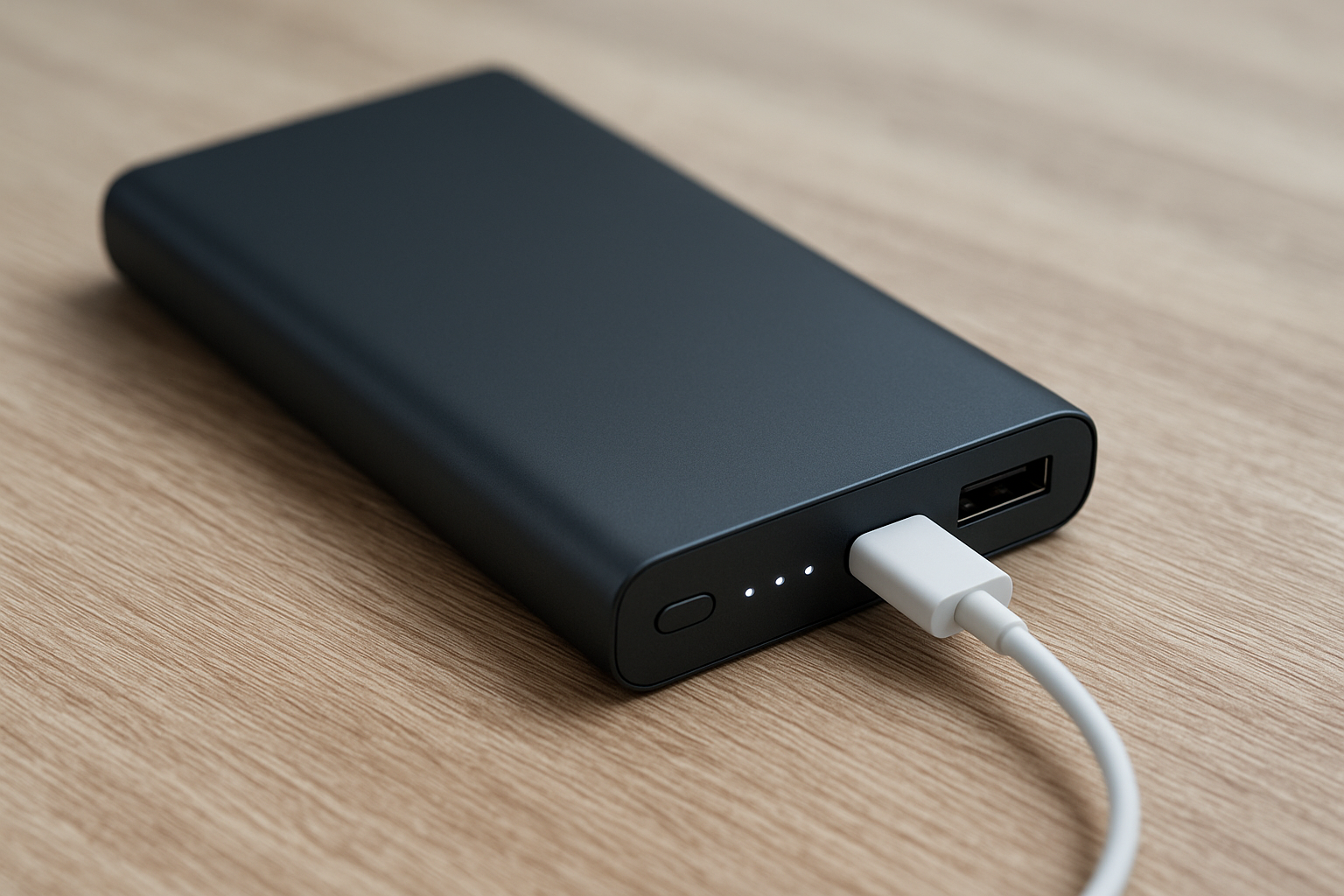
Power banks have become a must-have accessory in today’s world. Whether you’re traveling, working on the go, or simply tired of your phone dying at the worst possible moment, a power bank can save the day. But even though almost everyone uses one, not many people truly understand how power banks work, what makes a good one, or how to pick the right model for their needs. This guide breaks down everything in a friendly but expert tone so you can make smarter decisions the next time you buy one.
What Exactly Is a Power Bank?
A power bank is essentially a portable battery designed to recharge electronic devices without needing a wall socket. Think of it as a small, rechargeable “fuel tank” that stores energy you can use later whenever your devices run low. Most people use power banks for smartphones, but they are also useful for tablets, wireless earbuds, cameras, smartwatches, and even laptops if the power bank is powerful enough.
What makes power banks interesting is how flexible they are. Some models are tiny and lightweight—perfect for slipping into a pocket—while others are heavy-duty and designed to last for days. So depending on your lifestyle, you can always find one that fits your needs. They’ve become especially popular for travelers, outdoor explorers, and people whose work depends heavily on staying connected.
Over the years, power banks have evolved from basic, slow-charging devices to high-tech gadgets with fast charging, smart protection systems, LED displays, and even solar charging capabilities. This evolution shows how essential they’ve become in modern life.
How a Power Bank Works: The Basics Made Simple

The science behind power banks is not as complicated as it may seem. Inside every power bank is a rechargeable lithium-ion or lithium-polymer battery. These batteries store electrical energy that can later be transferred to your device through a USB cable. When you plug in your smartphone, the power bank releases the stored energy and charges your device just like a regular wall charger would.
To make charging safe and efficient, power banks include built-in circuits that manage voltage and regulate current. This ensures your device receives the right amount of power, preventing overheating, overcharging, and short circuits. This protective technology is crucial, especially as many devices now support fast charging, which requires more power in a shorter amount of time.
Another important component inside a power bank is the power management chip, which controls how fast energy is stored and released. This chip plays a big role in whether your power bank supports features such as quick charge, power delivery (PD), or intelligent power distribution. Modern power banks often adjust their output automatically based on the device you connect. This means you don’t have to worry about damaging your phone or draining the power bank too quickly.
Different Types of Power Banks and What Makes Each Unique
Power banks come in many shapes and capacities, and understanding these differences helps you pick the perfect one. The most common category is the standard USB power bank, which is used to charge phones and smaller gadgets. This type is typically compact, affordable, and easy to carry, making it ideal for everyday use.
Then there are high-capacity power banks, often ranging from 20,000 mAh to 50,000 mAh. These are designed for heavy users, travelers, and people who want to charge multiple devices multiple times. They can even power tablets and small laptops if they support USB-C PD. The trade-off is that they are bulkier and take longer to recharge.
Another interesting group is the wireless power bank. These models allow you to charge your phone simply by placing it on top of the device—no cable required. This makes charging convenient and clean, although wireless charging is usually slower compared to wired connections. Many wireless power banks also support both methods at once, giving you flexibility.
Solar power banks are a popular choice for outdoor activities like hiking or camping. They feature built-in solar panels that allow you to recharge the power bank itself using sunlight. While solar charging is slow and mainly useful as a backup, it’s still handy when you’re away from electricity for long periods.
Why a Power Bank Is Essential in Today’s Digital Life
We carry so many gadgets today that running out of battery can feel like losing a lifeline. A power bank ensures you stay connected no matter where you are. Whether you’re navigating using Google Maps, attending online meetings, or taking photos while traveling, a dead battery can ruin your plans. That’s where power banks come in as a reliable safety net.
Power banks are also incredibly useful during emergencies. Imagine your phone battery draining while you’re stranded on the road or during a power outage. Having a fully charged power bank can give you peace of mind, allowing you to make calls, access information, or use essential apps.
Besides emergencies and travel, power banks are also great for professionals who work on the go. Content creators, delivery riders, business travelers, journalists, and even students rely on electronic devices for long periods. A power bank keeps everything running smoothly without the need to hunt for plugs or wait next to charging stations.
How to Choose the Right Power Bank for Your Need
Selecting a power bank may feel overwhelming because there are so many models out there, but a few key points can guide your decision. First, consider capacity. If you only need to charge your phone once or twice a day, a 10,000 mAh power bank is usually enough. But if you travel often or need to charge multiple devices, go for 20,000 mAh or higher.
Next, pay attention to charging speed. Look for features like Quick Charge (QC) or Power Delivery (PD). These technologies allow both the power bank and your device to charge much faster. A fast-charging power bank can be extremely useful when you’re short on time and need a quick top-up before leaving home.
Port types also matter. USB-C ports are becoming the standard because they support faster and more efficient charging. If you use newer devices, make sure the power bank includes at least one USB-C PD port. Multiple ports are also helpful if you want to charge more than one device at a time.
Finally, consider build quality and safety certifications. A cheap power bank may save you money upfront, but a reliable, well-built one will last longer and keep your devices safe. Look for protections like over-voltage, over-current, temperature control, and short-circuit protection.
Tips to Make Your Power Bank Last Longer and Perform Better
To get the most out of your power bank, a bit of care goes a long way. For example, avoid exposing it to extreme heat. Leaving your power bank in a hot car or direct sunlight can reduce battery health and even cause damage. Always store it in a cool, dry place when not in use.
Another important tip is to recharge the power bank regularly. Even if you use it occasionally, try to top it up every few weeks. Lithium batteries perform best when they are not left empty for long periods. Keeping your power bank between 20% and 80% charge most of the time helps extend its lifespan.
Also, try to use a quality charger when charging the power bank itself. Cheap adapters can damage the battery or slow down charging. If your power bank supports fast charging, pair it with a certified fast charger for the best results.
Final Thoughts: Power Banks Are More Than Just Backup Batterie
Power banks have grown from simple emergency tools to essential everyday gadgets. They keep us connected, productive, and ready for anything—whether we’re traveling, working, exploring, or just living our daily routines. With so many advanced features and capacities available today, there’s a power bank for everyone.
If you choose the right model and take care of it properly, a good power bank can make your digital life smoother, safer, and far more convenient. And in a world where almost everything depends on battery power, having a reliable backup is no longer a luxury—it’s a necessity.
YOU MAY ALSO READ
Lake Texoma Should Be Capitalized

